What hardware and internal fittings does well
Hinges, runners and pull-outs determine how furniture feels long after the finish has stopped being new. Its useful qualities include controlled soft closing and full-extension access.
Hinges, runners and pull-outs determine how furniture feels long after the finish has stopped being new.
The right decision connects appearance with construction and maintenance. For projects in Altea, we also check the actual light, access and conditions in the room.
Hinges, runners and pull-outs determine how furniture feels long after the finish has stopped being new. Its useful qualities include controlled soft closing and full-extension access.
We consider it for wardrobes, kitchens, living-room furniture and commercial work when its character supports the brief rather than leading it.
Weight and cycle ratings and replacement availability should be discussed before drawings or samples are approved.
Adjustment after fitting and specialist storage where it earns its place can be balanced with simpler surfaces, so the finished room is coherent rather than overworked.
We compare realistic alternatives and explain what changes in construction, upkeep and price. You are not expected to specify hardware and internal fittings unaided.
Cleaning, light exposure, moving parts and local repair are considered so the choice still makes sense after years of use.
 Photo collection
 Furniture inspiration from MMV Estudio
View on Instagram Photo collection
 Furniture inspiration from MMV Estudio
View on Instagram Photo collection
 Furniture inspiration from MMV Estudio
View on Instagram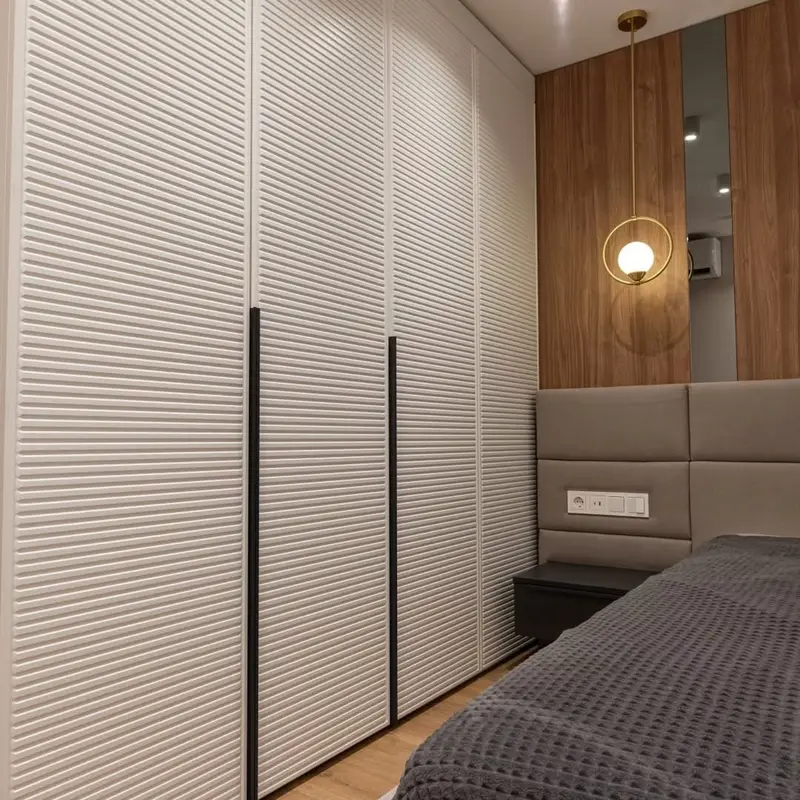 Photo collection
 Furniture inspiration from MMV Estudio
View on Instagram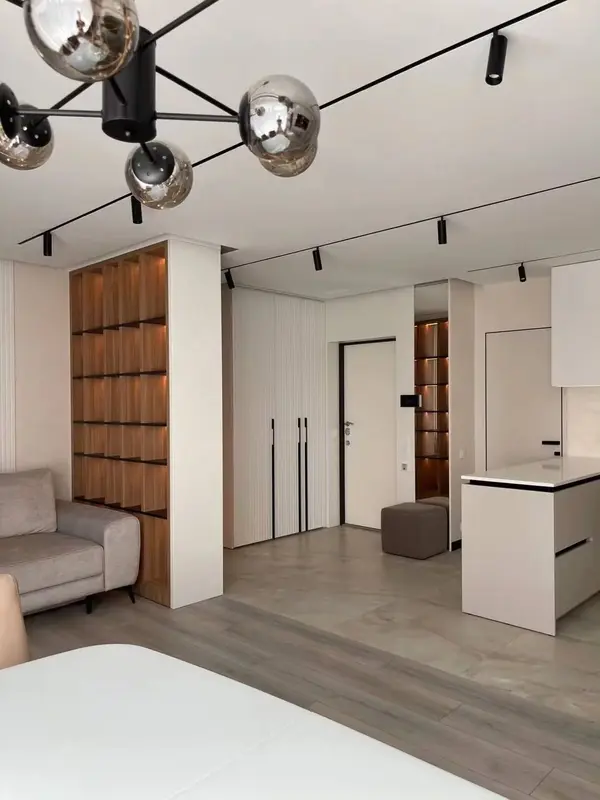 Photo collection
 Furniture inspiration from MMV Estudio
View on Instagram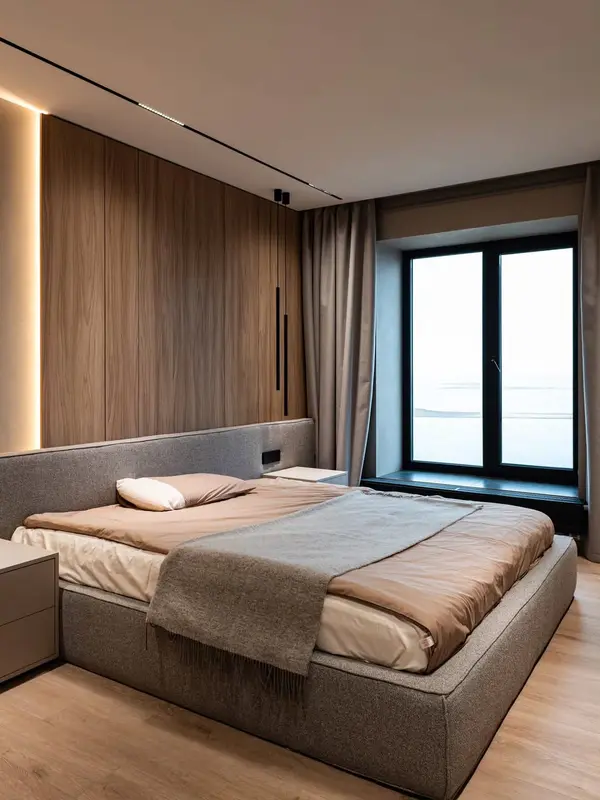 Photo collection
 Furniture inspiration from MMV Estudio
View on InstagramDimensions, movement, fixing, frequency of use and compatibility also matter. The selected system’s documentation is checked.
Ask which samples are available for the specification being considered. Compare the finish with the room’s existing materials and lighting.
Use the care instructions for the supplied finish and components. Ask before using an unfamiliar cleaning product or treatment.
We will review your enquiry and contact you to clarify the scope and next steps. Sending this form does not place an order.